

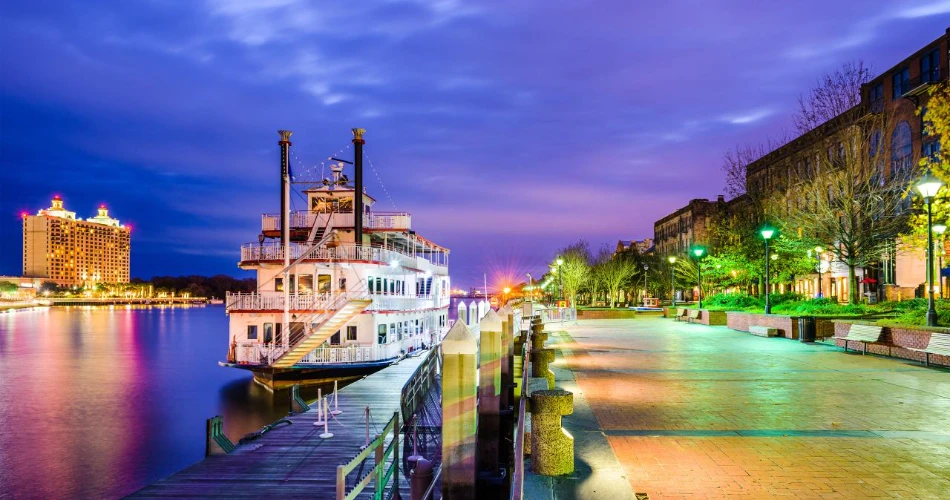
Savannah, Georgia, is often called the “Hostess City of the South” — and for good reason. It’s one of the most beautifully preserved cities in America, where cobblestone streets, moss-draped oaks, and centuries-old architecture tell stories of the past at every corner. Whether you’re a history lover, architecture enthusiast, or simply someone drawn to the city’s timeless atmosphere, Savannah offers an unforgettable glimpse into America’s heritage.
1. Forsyth Park – The Heart of Savannah
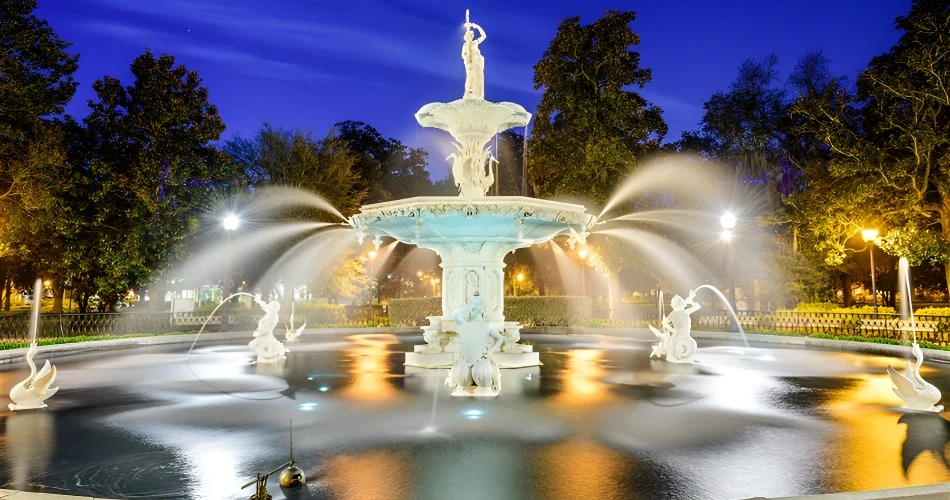
No trip to Savannah is complete without a stroll through Forsyth Park, the city’s most iconic green space. Spread across 30 acres, it’s not just a park but a living postcard of Savannah’s history. The famous white fountain at its center, built in 1858, is one of the most photographed landmarks in Georgia.
The park’s tree-lined paths, vibrant gardens, and open lawns make it a peaceful retreat — yet it’s surrounded by some of Savannah’s most historic neighborhoods. On weekends, you’ll find local art markets, live performances, and families enjoying picnics under centuries-old oak trees.
Insider Tip: Visit in the early morning or at sunset for the most serene views and fewer crowds.
2. The Cathedral Basilica of St. John the Baptist
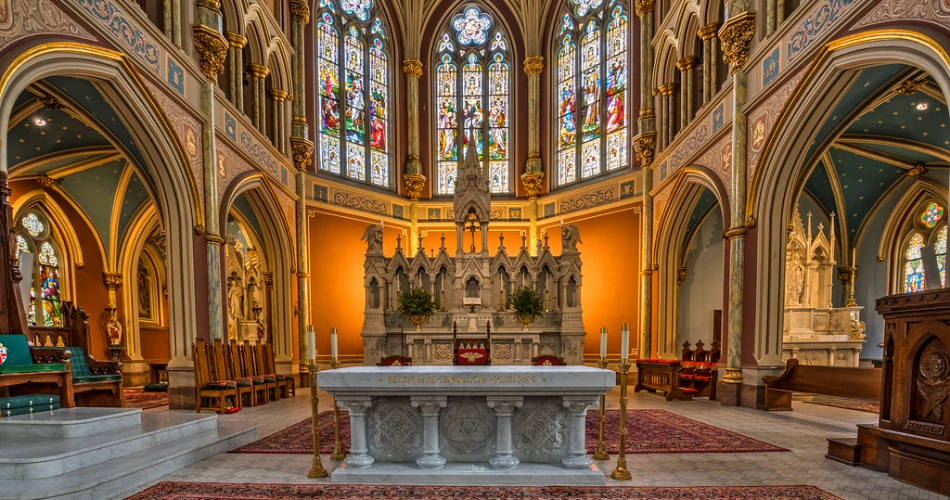
The Cathedral Basilica of St. John the Baptist is often described as Savannah’s most breathtaking structure. Completed in the late 19th century, this French Gothic–style church features towering spires, intricate stained-glass windows, and ornate murals that make it one of the most beautiful cathedrals in the South.
Inside, sunlight filters through the colorful glass, illuminating golden details and sacred art. It’s not just a religious site but a masterpiece of craftsmanship and devotion.
Why Visit: Even if you’re not religious, the cathedral’s beauty and peaceful ambiance leave a lasting impression.
3. Bonaventure Cemetery – Beauty and Mystery Combined
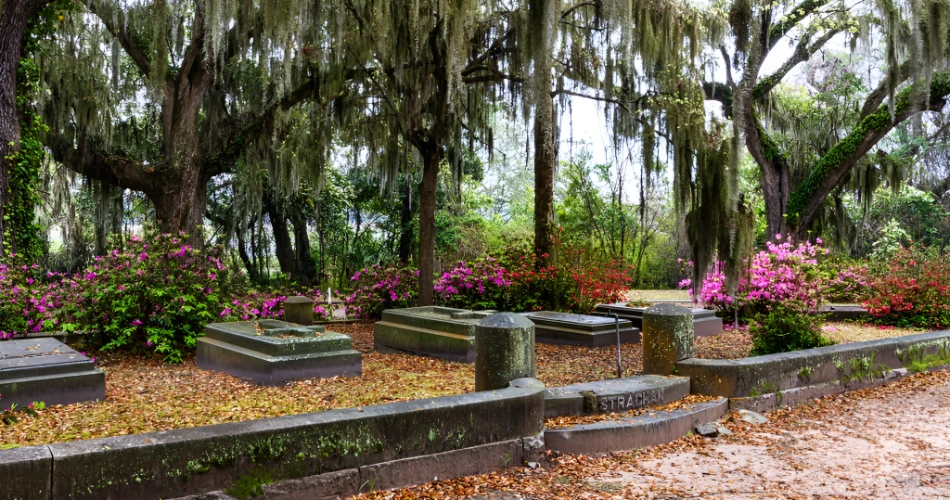
Few cemeteries are as hauntingly beautiful as Bonaventure Cemetery. Dating back to the 1840s, it’s a serene landscape filled with moss-draped oaks, marble sculptures, and historic gravestones that reflect Savannah’s artistry and elegance.
The cemetery became world-famous after appearing in the book Midnight in the Garden of Good and Evil, and it continues to attract visitors who come to explore its quiet paths and symbolic monuments.
Insider Tip: Take a guided tour to learn the fascinating stories behind Savannah’s most notable residents buried here.
4. Wormsloe Historic Site – Savannah’s Iconic Oak Avenue
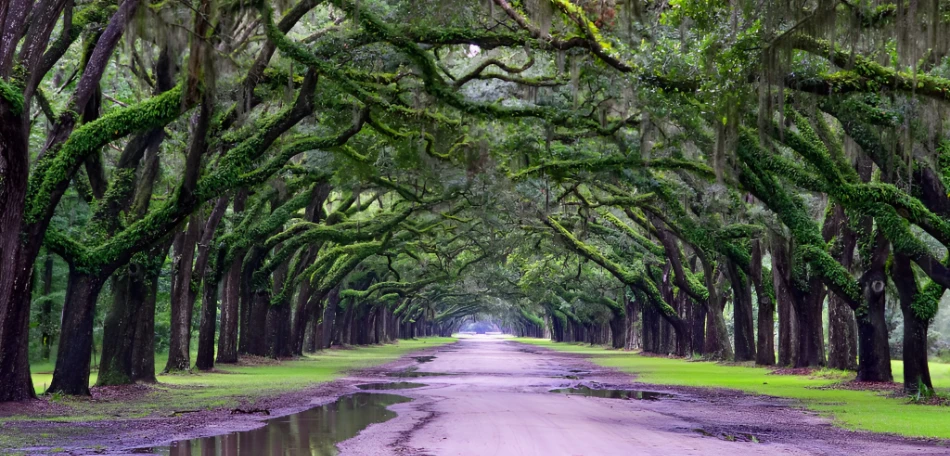
Just a short drive from downtown, Wormsloe Historic Site is one of Savannah’s most photographed locations. Its entrance — a mile-long avenue lined with over 400 live oak trees — feels straight out of a Southern fairytale.
The site preserves the colonial estate of Noble Jones, one of Georgia’s first settlers. Today, visitors can explore the ruins of his 18th-century tabby house, walk through scenic trails, and learn about early colonial life in Georgia.
Why Visit: Wormsloe perfectly captures the blend of nature and history that defines Savannah.
5. Savannah Historic District – A Living Museum
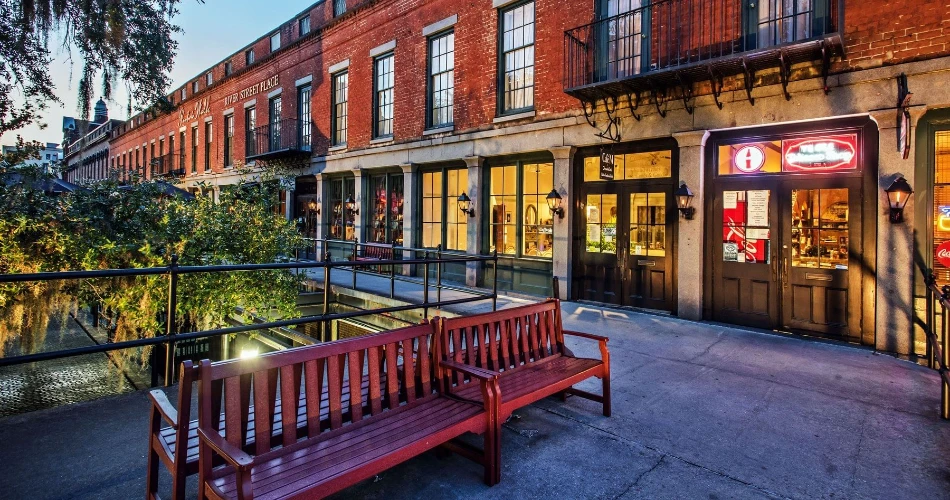
The Savannah Historic District isn’t just one site — it’s an entire area that showcases the city’s charm and heritage. As one of the largest National Historic Landmark Districts in the U.S., it’s filled with cobblestone streets, restored mansions, and 22 scenic public squares.
Each square tells its own story, from Chippewa Square (famous for the bench scene in Forrest Gump) to Madison Square and Lafayette Square, surrounded by stunning 19th-century architecture. Walking through the district feels like stepping back in time — every corner has something to admire.
Insider Tip: Take a walking or carriage tour to learn about the history and ghost legends that make this district unforgettable.
6. The Owens-Thomas House & Slave Quarters
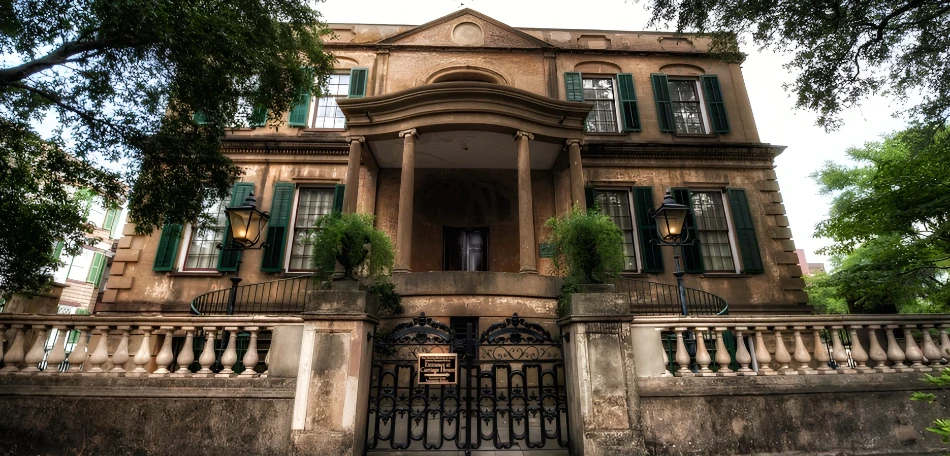
For a deeper look into Savannah’s complex past, the Owens-Thomas House & Slave Quarters offers an honest and educational experience. Built in 1819, this Regency-style mansion is one of the best-preserved examples of its kind in the U.S.
The guided tours explore both the elegant rooms of the Owens family and the preserved slave quarters, providing a powerful contrast that reflects Savannah’s layered history. It’s a thoughtful, respectful site that helps visitors understand both the grandeur and the hardship of early Southern life.
Why Visit: It’s one of Savannah’s most historically significant landmarks, offering an in-depth view of the city’s social and architectural heritage.
7. River Street – Where History Meets the Present
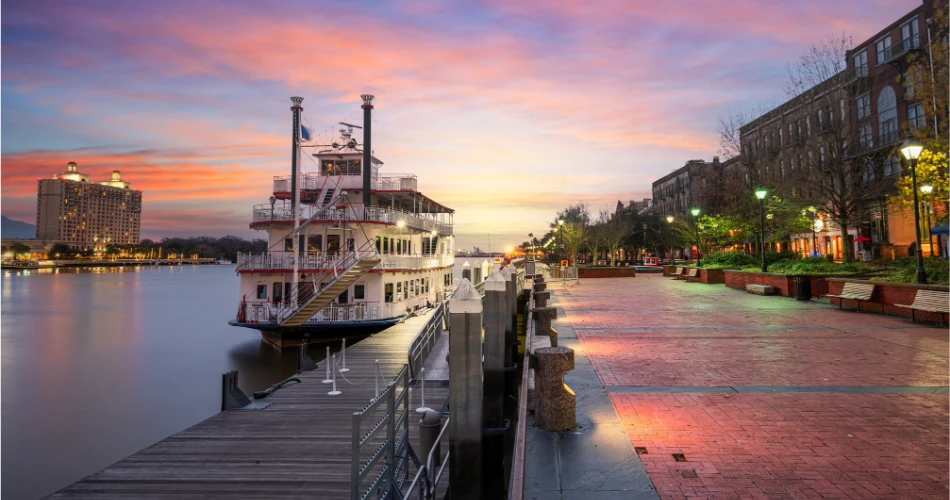
Running along the Savannah River, River Street is one of the city’s most vibrant areas. Once a major cotton warehouse district, it’s now a lively mix of old and new — where historic brick buildings house boutique shops, restaurants, and art galleries.
You can stroll along the cobblestone paths, watch ships pass by, or enjoy live music in the evening. River Street captures Savannah’s energy while maintaining its connection to history.
Insider Tip: Visit at sunset to see the river glow in golden light — it’s one of the most beautiful views in the city.
Tips for Visiting Savannah’s Historic Sites
✓ Plan to explore on foot — Savannah’s historic area is best experienced at a slow pace.
✓ Visit during spring or fall for pleasant weather and fewer crowds.
✓ Bring a camera — the architecture, oak trees, and riverfront views are incredibly photogenic.
✓ Take guided tours — they often reveal stories you won’t find on signs or maps.
✓ Wear comfortable shoes — many streets are cobblestone or uneven, especially in the older districts.
Savannah’s history lives and breathes through its landmarks. From the tranquil beauty of Bonaventure Cemetery to the elegance of the Cathedral Basilica and the timeless charm of Forsyth Park, every corner of this city tells a story. Whether you come for the architecture, the legends, or simply the peaceful Southern atmosphere, these historic sites make Savannah one of the most captivating destinations in the United States.